 Frelixor
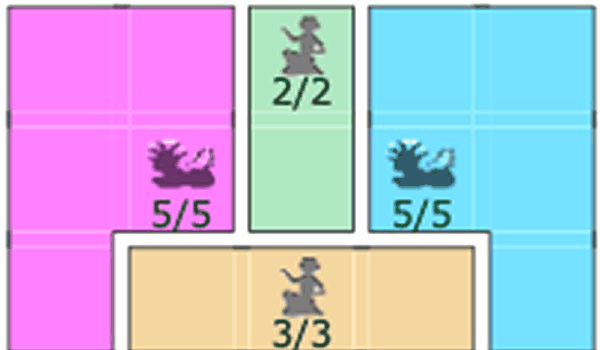
Freeport Town stands out for what it removes: no timers, no combat, no way to fail. That leaves room for its real hook—juggling the needs of humans, energy beasts, and shapeshifters while expanding a town at your own pace. The feedback-driven design loop rewards patience and experimentation. It will appeal most to players who like city builders and decorating games but want a gentler, more cooperative tone. The main limitation visible in the source is a lack of detail about specific building counts or long-term goals beyond happiness scores.
Freeport Town centers on a single, clear goal: make your town the happiest in the galaxy. That happiness depends on three resident groups—humans, energy beasts, and shapeshifters—each with distinct preferences. Placing a building or decoration affects these groups differently, so a layout that pleases one may leave another unsatisfied. The challenge is not combat or racing against a clock, but reading feedback and adjusting your plan until all three groups thrive together.
You start by choosing a neighborhood area to develop. From there, you place homes, parks, and facilities, then watch how residents respond. Their reactions tell you what is working and what needs rearranging. Managing resources wisely lets you unlock new items and expand the town further. There is no timer forcing quick decisions, so you can experiment with different arrangements, undo choices, and refine your design at your own pace.
Unlike building games that hinge on conflict or survival pressure, Freeport Town removes those stressors entirely. The focus stays on cooperation and community well-being. You are encouraged to try unusual layouts just to see how residents react, which makes each playthrough feel like your own creative project. The game suits players who enjoy planning, decorating, and watching a system respond to thoughtful changes rather than fast reflexes.
As your town grows, new items and expansions become available. These unlockables give you more ways to meet evolving resident needs and add variety to your designs. Prioritizing which items to unlock first can shape how quickly you raise overall happiness. Because there is no fail state, progression feels steady and low-stress—more about refining your approach than overcoming obstacles.
Sign in to comment
You must be logged in before posting a review or rating.
No comments yet. Be the first to comment!






Editorial Notes