 Frelixor
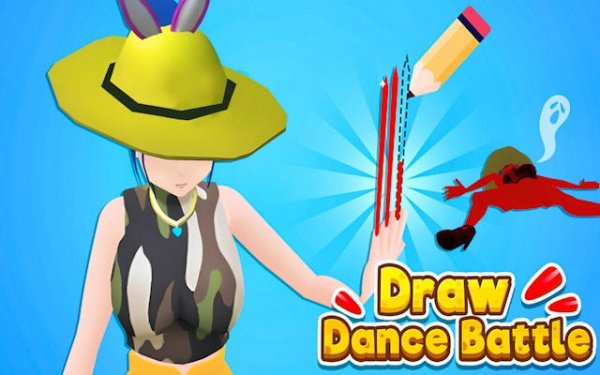
Draw Dance Rhythm Arcade offers an unusual mix: freehand drawing as the control scheme for a rhythm-based dance competition. The strength lies in how it ties visual creativity to musical timing, forcing players to think about both at once. The family-friendly presentation and unlockable dancers give it broad appeal, though the depth depends on how much variety the drawing-to-move system actually provides. It suits players who want a rhythm game that asks for more than reflex.
Draw Dance Rhythm Arcade turns your screen into a choreography tool. Instead of tapping buttons in time with a beat, you draw lines and patterns that translate directly into dance moves for your chosen performer. Each line you sketch dictates a specific movement, and the angle and complexity of your drawing determine how effective that move will be. The core loop asks you to think visually and rhythmically at the same time: plan a sequence, draw it cleanly, and land it on the beat.
Timing matters as much as creativity. A well-drawn sequence that misses the music's rhythm will underperform against an opponent who sketches simpler shapes but hits the beat consistently. This tension between artistic ambition and musical precision is what separates a lucky win from a reliable one. You will need to listen for the pulse of each track and adjust your drawing speed accordingly, because a complex pattern drawn too slowly can lose its impact before the move even registers.
Matches take place on dynamic 3D stages that provide a changing visual backdrop for each showdown. As you progress through the game, you unlock additional dancers and stages, which adds variety to how each match looks and feels. The unlock system gives you a reason to keep playing beyond a single session, and the family-friendly presentation keeps the competition light rather than aggressive. Every match is a fresh attempt to outscore your opponent through better drawing and sharper timing.
There is no single correct way to draw a winning sequence. Some players may favor bold, simple lines that are easy to time, while others experiment with intricate patterns that carry more risk but higher potential reward. The game rewards practice: the more you play, the better you understand which shapes produce which moves and how the music's structure maps onto your drawing window. That learning curve is gentle enough for casual players but offers enough depth for those who want to refine their timing and pattern choices.
Sign in to comment
You must be logged in before posting a review or rating.
No comments yet. Be the first to comment!







Editorial Notes