 Frelixor

Rabbit Tap Arcade Challenge delivers exactly what its name suggests: a fast, two-player race to tap appearing rabbits. The strengths are clear from the design—short rounds, intuitive controls, and a colorful presentation that suits parties and family gatherings. It does not aim for strategic depth or long sessions. The main limitation is that the experience depends on having a second player, and the core loop stays the same across rounds. It is best for groups wanting light, active competition.
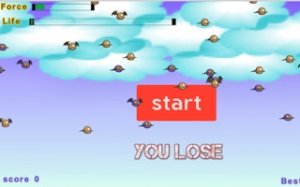
Rabbit Tap Arcade Challenge sets two players against each other on a shared screen. Each person takes one side and uses assigned keys or buttons to select rabbits as they appear. Every successful tap adds to that player's score, and the highest total when the round ends wins. Because both players act at the same time, the game creates direct, real-time rivalry rather than turn-based play.
Rounds are deliberately brief, which keeps energy high and makes the game easy to fit into parties, family gatherings, or short breaks. Controls are intuitive enough for young players to join without instruction. Missing a rabbit does not subtract points, but it does slow overall progress, so accuracy matters alongside speed. The result is a low-pressure format where the main challenge is reaction time.
The presentation is colorful and cheerful, supporting a welcoming atmosphere for all ages. There is no inappropriate content, and the focus stays on hand-eye coordination and friendly competition. This makes Rabbit Tap Arcade Challenge a practical choice for mixed-age groups where complex rules would be a barrier.
Consistent performance comes from watching where rabbits appear most often and keeping fingers ready near the controls. Checking your opponent's score can help you judge whether to prioritize speed or accuracy. Regular practice builds anticipation, which reduces delay on each tap. Steady tapping tends to outperform occasional bursts of speed.
Sign in to comment
You must be logged in before posting a review or rating.
No comments yet. Be the first to comment!






Editorial Notes