 Frelixor
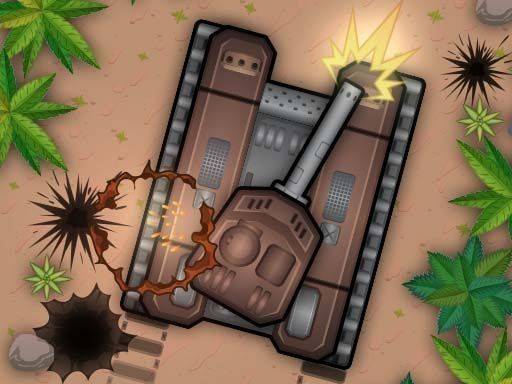
Tactical Command suits players who prefer thinking over reflexes. The core loop—pick units, meet a three-unit minimum, watch them advance automatically—keeps matches short and focused on planning. Its simple controls and family-friendly presentation lower the barrier to entry, while unit strengths and weaknesses provide enough depth to reward repeated play. The main limitation is that the available information does not describe multiplayer, progression systems, or unit variety in detail, so expectations should center on casual tactical puzzle-solving rather than deep strategy campaigns.
Tactical Command is an online strategy game built around one clear goal: overcome the enemy base before they overcome yours. You choose units from a set of available options and place them on the field. A minimum of three units must be deployed before your forces can advance toward the enemy base. That requirement forces you to commit early and think about the order in which you send units out, rather than holding back indefinitely.
Once deployed, units move automatically. You do not steer them after placement. This shifts the entire challenge to the planning phase—deciding which unit types to pick, when to release them, and how they match up against the opponent's layout. Each unit has its own strengths and weaknesses, so picking the right ones at the right moment matters more than rapid clicking. The game rewards patience and observation over reflex speed.
The controls are simple enough to learn in a minute, and there is no violent or graphic content. Rounds are short, making Tactical Command suitable for quick breaks or casual play. Despite the easy entry point, the levels are designed to test planning skills—later stages demand better timing and smarter unit combinations. It works well for players of all ages who enjoy tactical puzzles without complex rules.
Improvement comes from repetition. Playing regularly helps you internalize unit matchups and recognize patterns in enemy layouts. Before deploying, study the opponent's formation and plan your first three units accordingly. If a push fails, adjust your timing rather than repeating the same sequence. Staying patient and flexible usually beats rushing into a counterattack.
Sign in to comment
You must be logged in before posting a review or rating.
No comments yet. Be the first to comment!







Editorial Notes