 Frelixor
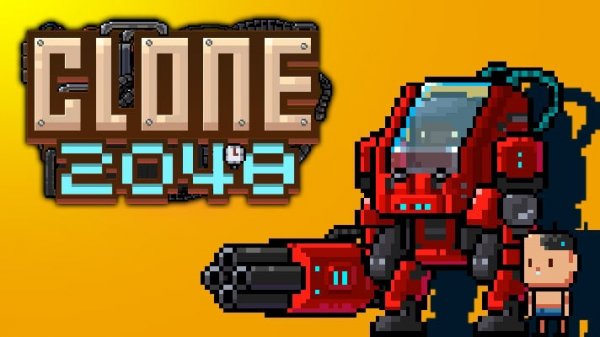
Merge 2048 Puzzle Strategy sticks closely to the 2048 merging formula but adds a narrative layer set on planet Wuberan. The core loop of placing clone soldiers and combining identical units is easy to grasp, and the visual upgrades provide clear feedback. Its family-friendly design and browser availability make it a low-commitment option for puzzle fans. The strategic depth is modest, so players seeking complex tactics may find it light, but it works well for casual planning sessions.
Merge 2048 Puzzle Strategy takes the familiar 2048 number-merging concept and recasts it as a rescue mission on the fictional planet Wuberan. You assist Dr. Wong by placing clone soldiers onto a board. When two identical units sit next to each other, they combine into a stronger version. The infection spreading across the planet provides the narrative reason for building up your force, and the visual progression of soldiers from basic to advanced forms gives each successful merge a clear payoff.
Every move starts with a left-click to position a clone soldier. The challenge lies in anticipating how that placement affects future merges. Crowding the board with low-level units limits your options, so experienced players tend to concentrate merges in one area while keeping space open elsewhere. The game may include zoom controls for a better view and a pause function, but the core loop remains simple: place, merge, upgrade, repeat. Planning several moves ahead is more important than reacting quickly.
Because the mechanics are easy to learn and the theme avoids graphic content, this title fits casual players and families looking for a logic puzzle. Sessions can be short or extended depending on how much planning you want to invest. The strategic layer is light rather than demanding, so it appeals more to fans of merge puzzles than to players seeking deep tactical systems. The browser format means no download is required.
Sign in to comment
You must be logged in before posting a review or rating.
No comments yet. Be the first to comment!







Editorial Notes