 Frelixor
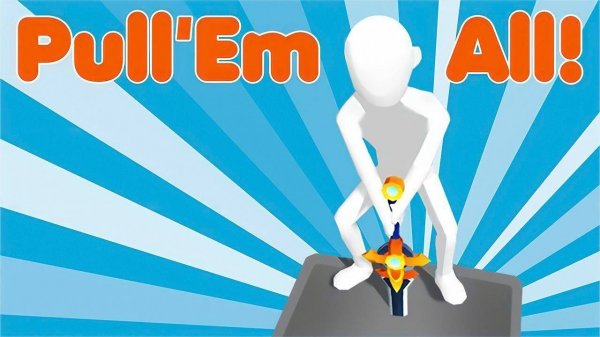
Tension Puzzle stands out for what it removes: timers. That single choice turns every interaction into a small judgment call about force and resistance. The colorful, uncluttered art keeps attention on the object being manipulated, and the upgrade system adds a light strategic layer for tougher puzzles. It is best suited to players who enjoy patience-based challenges and family-friendly games. The main limitation is variety; the core loop depends on one mechanic, so lasting appeal depends on how much you enjoy refining that skill.
Tension Puzzle centers on a single, repeatable action: holding and releasing objects with the correct amount of force. Each puzzle piece has its own resistance, so the same amount of pressure will not work everywhere. Players watch how an object responds before committing to a pull, then adjust. Because there are no timers, mistakes are not punished with a countdown. Instead, the game encourages multiple attempts and careful observation. Smooth animations provide clear feedback on every action, helping players understand whether they applied too much or too little force.
The game uses a cheerful, colorful art style with friendly characters and uncluttered environments. This visual simplicity is not just decorative; it keeps attention on the object being manipulated. Clean animations and responsive feedback make the mechanics readable for players of any age or gaming experience. There is no violent or mature content, and the controls rely on basic touch interactions. That combination makes Tension Puzzle suitable for family game time as well as short solo breaks.
As players advance, puzzles gradually increase in complexity. Completing a level earns points and unlocks new areas to explore. A simple upgrade system lets players enhance their pulling power, which opens new strategies for tougher challenges. The reward structure encourages regular play without applying pressure. Because upgrades affect how much force a player can apply, they also change how earlier resistance values can be approached, adding a light strategic layer to the core skill test.
Mastering Tension Puzzle depends on timing and judgment rather than speed. Players assess each situation and decide whether a gentle touch or a stronger pull is appropriate. That decision-making process is where the strategy lives. Patience and careful analysis are rewarded over rushed actions, and the absence of timers supports that approach. The result is a casual game that stays accessible while still asking players to think before they act.
Sign in to comment
You must be logged in before posting a review or rating.
No comments yet. Be the first to comment!





Editorial Notes