 Frelixor
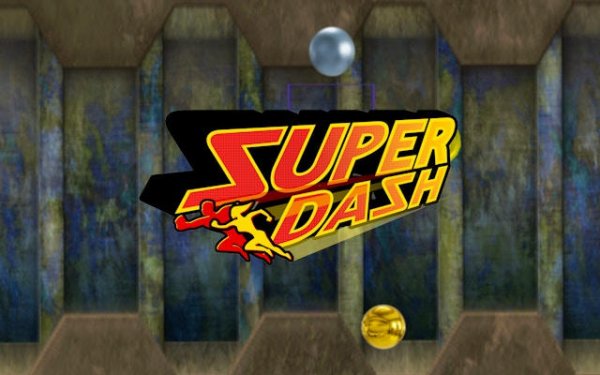
Bounce Dash Track strips the arcade formula down to a single input and builds its challenge around timing rather than complex controls. The gradual speed increase and shrinking platforms create a clear difficulty curve, and the token placement adds a light risk-reward decision to each run. The bright, shifting color palettes keep repeated attempts from feeling identical. It suits players who enjoy simple, score-driven games with short sessions, though anyone seeking deep progression or multiplayer should check the official listing first.
Bounce Dash Track reduces its control scheme to a single action: tap or click to make the ball jump. The ball moves forward on its own, bouncing along a chain of platforms suspended in the air. Your job is to read the gap ahead and tap at the right moment so the ball lands on the next platform instead of dropping into the void. There is no steering, no acceleration button, and no way to stop. Every decision is about when to tap.
Small shiny tokens sit along the platforms. Grabbing them adds to your score, but they are not always placed on the safest line. A token might sit near the edge of a narrow platform or just past a wide gap, forcing you to choose between a safe landing and a higher payout. Distance traveled also contributes to your total, so survival and collection pull in the same direction most of the time, but not always. Each run ends the moment the ball misses a platform.
Early platforms are wide and generously spaced, giving you room to learn the ball's bounce rhythm. As a run continues, the platforms get narrower and the gaps grow wider. The speed gradually increases too, so the same tap timing that worked at the start becomes too slow later on. The difficulty resets with each new attempt, which means every session begins gently and builds toward faster, tighter sequences. That reset keeps the game approachable for short sessions while still rewarding players who can stay focused deep into a run.
The game uses bright, saturated colors for platforms and backgrounds, and the ball has a glossy finish. The palette shifts as you advance, so different runs can look distinct even though the core challenge stays the same. The interface stays clean and uncluttered, which matters because your eyes need to stay on the ball's trajectory and the next gap. Nothing on screen competes with the information you actually need.
Sign in to comment
You must be logged in before posting a review or rating.
No comments yet. Be the first to comment!






Editorial Notes