 Frelixor
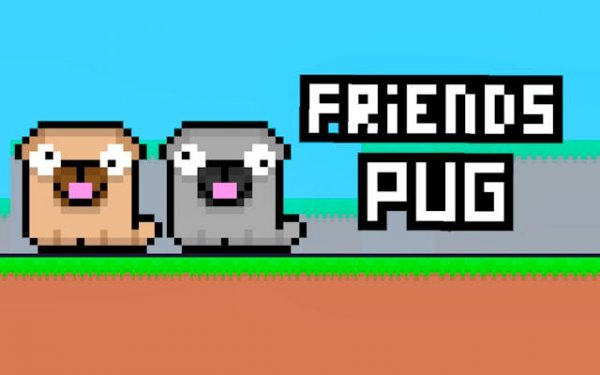
Two Pug Teamwork Puzzle delivers exactly what its name promises: mandatory cooperation between two players controlling separate pugs. The gentle difficulty curve and lack of failure penalties make it welcoming for families or casual pairs. Pixel art and expressive animations add charm. The main limitation is that it strictly requires two players—solo play is not supported. Best for those seeking a relaxed, communication-focused co-op experience.
Two Pug Teamwork Puzzle is built around mandatory cooperation. Each player controls one pug—one brown, one grey—and both must collect their designated treats before moving to the exit. The game uses simple controls: one player uses arrow keys, the other uses WASD on desktop, or on-screen buttons on mobile. The challenge comes from puzzles that require both pugs to help each other, such as one standing on a switch to open a path for the other.
Each level presents a series of obstacles that require teamwork. Moving platforms, gaps that need jumping, and switches that only respond to one pug are common. The puzzles are designed to be gentle, avoiding frustration while still encouraging problem-solving. The levels are colorful and varied, with new mechanics introduced gradually. The goal is always the same: both pugs must reach the nest together to complete the stage.
The game uses pixel art graphics that give it a charming, retro feel. The two pug characters are cute and expressive, with simple animations that add personality. The backgrounds are bright and cheerful, creating a stress-free atmosphere. The overall visual design supports the family-friendly nature of the game, making it appealing to players of all ages.
Golden bone power-ups appear in some levels, providing a temporary speed boost to help navigate tricky sections. These are optional but can make certain obstacles easier to overcome. The game progresses through multiple stages, each introducing new puzzle elements. The difficulty curve is gentle, allowing players to build their skills gradually. There is no penalty for failure, encouraging experimentation and communication.
Sign in to comment
You must be logged in before posting a review or rating.
No comments yet. Be the first to comment!






Editorial Notes