 Frelixor
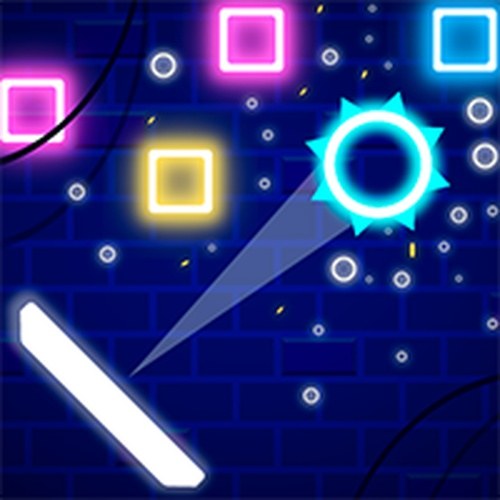
Neon Brick Breaker Arcade takes the familiar paddle-and-ball formula and gives it a neon visual identity plus touchscreen support. The increasing ball speed and changing brick patterns add genuine challenge for players who stick with it. Its family-friendly content and simple controls make it approachable for all ages, though the lack of stated multiplayer or save features means it works best as a solo, session-based arcade game.
Neon Brick Breaker Arcade follows the structure of classic breakout: a paddle sits at the bottom of the screen, a ball bounces between the paddle and the walls, and every brick it touches disappears. The objective is to clear all bricks on a level without letting the ball drop past the paddle. Points accumulate per brick destroyed, so efficient clearing matters for score as well as survival.
On a keyboard, the left and right arrow keys move the paddle horizontally. On touchscreen devices, players tap and hold the paddle, then drag left or right to reposition it. Both input methods are designed for immediate pick-up-and-play, with no complex button combinations. The ball's angle changes based on where it strikes the paddle, so small adjustments in positioning directly affect the return trajectory.
The game increases ball speed as players advance, which shortens reaction windows and demands earlier positioning. Brick patterns also change across levels, requiring players to read the layout before committing to a return angle. This combination of rising speed and shifting patterns gives the arcade formula a lasting challenge rather than a static loop.
Neon graphics glow and pulse throughout play, giving the brick field a distinct look compared with traditional breakout entries. The content is family-friendly and contains no violence, making it suitable for players of all ages. Sessions can be short or extended, depending on how long the player survives and how many levels they clear.
Sign in to comment
You must be logged in before posting a review or rating.
No comments yet. Be the first to comment!






Editorial Notes