 Frelixor
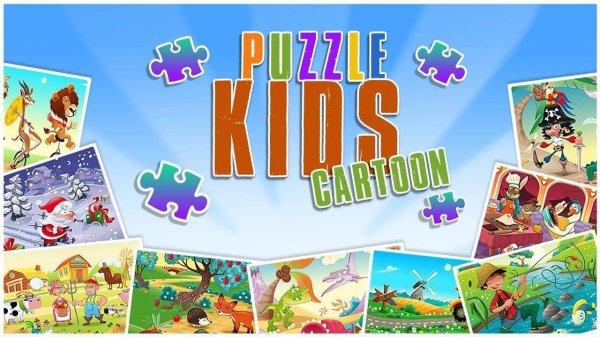
Cartoon Puzzle Fun for Kids targets toddlers and preschoolers with a single, clear mechanic: drag scrambled pieces into place to complete a cartoon image. The absence of timers, penalties, and required reading keeps the experience low-pressure, while nine puzzles of increasing complexity give children room to grow. The no-ads, no-external-links environment is a meaningful design choice for parents. Its limitation is scope: nine puzzles is a modest amount of content, though replayability and the lack of frustration make it suitable for repeated short sessions.
Each session begins with a puzzle selection screen. After choosing an image, the child sees scrambled pieces and an empty grid. The task is to drag each piece with a mouse or finger and drop it where it belongs. Correct placements snap into position and gradually reveal the full cartoon picture. No reading is required, and there are no timers or penalties, so a child can pause, reconsider, or move a piece again without losing progress.
The game includes nine unique puzzles that increase in complexity to match growing skills. Early images use fewer or more obvious pieces, while later ones demand closer attention to shape and color. The artwork covers themes such as animals, vehicles, and nature scenes. Because the puzzles can be replayed, children can return to familiar images or move to harder ones without the content feeling exhausted after one sitting.
Controls are limited to dragging and dropping, which keeps the interface uncluttered and responsive for small hands. Gentle visual feedback, such as pieces snapping into place, shows progress without requiring text. When a puzzle is completed, a cheerful animation or sound provides positive reinforcement. The environment contains no ads or external links, so the screen stays focused on the puzzle itself.
The game is intended as a constructive early-learning activity rather than a high-pressure challenge. Completing pictures encourages patience and attention to detail, while the trial-and-error placement supports pattern recognition and spatial awareness. Parents can guide younger children through the first puzzle to demonstrate the mechanic, then step back as confidence grows. Talking about the finished images can reinforce vocabulary and observation skills.
Sign in to comment
You must be logged in before posting a review or rating.
No comments yet. Be the first to comment!






Editorial Notes