 Frelixor
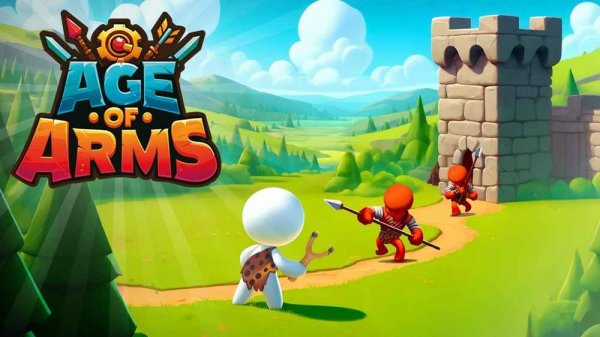
Age of Defense Strategy Game combines tower-defense placement with a warrior who evolves through battle rewards. Its strength is the tension between spending limited resources on upgrades and adapting formations to each era's distinct obstacles. The learning curve is gentle, but later waves demand pattern recognition and patience. It best suits players who enjoy planning under changing conditions; those seeking constant action may find the pace deliberate.
Combat in Age of Defense Strategy Game revolves around intercepting enemy waves before they reach a protected point. You control a warrior directly, moving with keyboard or mouse inputs, while also selecting and positioning defensive units along the routes enemies follow. Placement is not cosmetic: units block and defeat foes, so where you put them determines whether a wave stalls or slips through. The game asks you to read enemy movement and adjust formations rather than rely on a single fixed setup.
Each battle feeds into a progression loop. Winning earns rewards that improve your warrior and expand the defensive options available to you. Those upgrades carry across historical eras, and the era itself shapes what you face: different periods introduce unique obstacles and opportunities, and enemy behaviors shift as you advance. Because resources are limited, deciding which upgrades to prioritize becomes part of the strategy, not an afterthought.
The historical backdrop is more than a visual theme. Each era presents its own challenges, and the units and threats you encounter reflect that setting. This means a formation that works in one period may need rethinking in the next. The game combines tower-defense mechanics with character progression, so your warrior grows alongside your defensive toolkit. For players who enjoy planning under changing conditions, that combination keeps later battles from feeling like repeats of earlier ones.
Age of Defense Strategy Game is easy to pick up but offers depth for those who study it. Success depends on anticipating enemy movements, saving resources for critical upgrades, and experimenting with placements until a formation holds. If you prefer reactive action over planning, the pacing may feel slow. If you like reading patterns and refining a setup over multiple attempts, the loop rewards that patience.
Sign in to comment
You must be logged in before posting a review or rating.
No comments yet. Be the first to comment!









Editorial Notes