 Frelixor
Frelixor
Frelixor
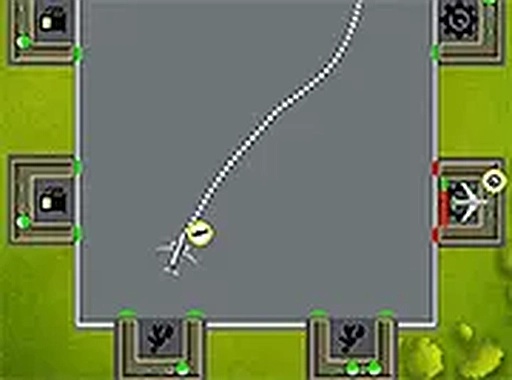
Airport Control Operations delivers a satisfying simulation experience that captures the essence of air traffic management. The gradual difficulty curve ensures newcomers can learn the ropes, while the later stages offer genuine strategic challenges. The visual feedback system is particularly well-designed, making it easy to identify priority aircraft at a glance. The game's focus on planning and quick decision-making creates a rewarding loop that encourages repeated play. It stands out as a solid choice for fans of management and strategy genres.
Airport Control Operations places you at the heart of a bustling airport hub. Your primary responsibility involves directing aircraft as they approach the runway for landing and preparing them for their next departure. The simulation focuses on realistic timing and spatial awareness, requiring you to sequence movements to avoid conflicts. Each decision impacts the overall flow, making strategic planning essential for smooth operations. The interface presents a top-down view of the airport layout, with clear markers indicating aircraft positions and statuses.
The core gameplay revolves around managing the constant stream of arriving and departing flights. You must assign each plane a path to the correct runway, considering factors like aircraft size and fuel levels. As you progress, the number of simultaneous flights increases, testing your ability to prioritize tasks. The simulation introduces varying weather conditions and emergency situations that require rapid adjustments. Success depends on maintaining a steady rhythm while adapting to unexpected changes in the schedule.
The game provides intuitive visual cues to help you monitor the status of each aircraft. Color-coded indicators show which planes need immediate attention, such as those low on fuel or approaching their time limit. A simple click-and-drag interface allows you to assign flight paths without complex menus. New players can learn the basics through a guided tutorial that explains the key controls and objectives. The learning curve is gradual, allowing you to build confidence before facing more demanding scenarios.
Levels are structured to introduce new elements gradually. Early stages focus on single-runway operations with a handful of aircraft, giving you time to understand the mechanics. Later levels expand to multiple runways and increased traffic density, requiring more advanced coordination. Some scenarios may include time-sensitive objectives, such as clearing the airspace before a storm arrives. This progression ensures that the game remains engaging without becoming overwhelming for newcomers.
Beyond basic coordination, the game rewards players who think ahead. Anticipating the paths of multiple aircraft helps prevent bottlenecks and reduces the risk of delays. You must decide whether to prioritize a delayed departure or an incoming flight with limited fuel. These choices have consequences that affect your overall efficiency score. The simulation encourages a calm, methodical approach, as panic can lead to mistakes that compound over time.











Player Comments
Sign in to comment
You must be logged in before posting a review or rating.
No account? Create one
No comments yet. Be the first to comment!