 Frelixor
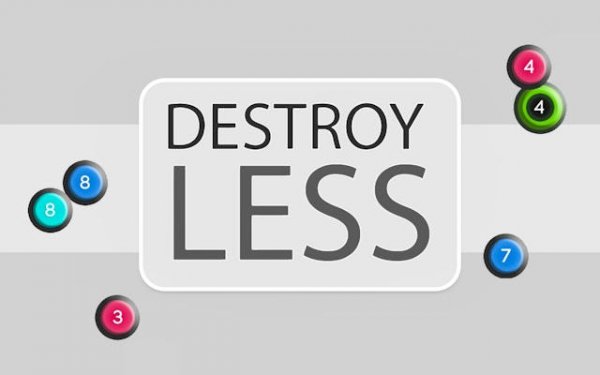
Sum Merge builds its challenge around a single clear rule: absorb lower numbers, avoid higher ones. The absence of a timer makes it a deliberate, thoughtful puzzle rather than a reflex test. Board updates after each merge keep rounds from repeating. The main limitation is that there is no level progression, only score chasing. It suits players who enjoy planning and risk assessment in short or long sessions.
Sum Merge places a grid of numeric tiles in front of you. On each turn, you select one tile and slide it up, down, left, or right. If the moving tile meets a tile with a lower value, that smaller tile disappears and its number is added to your score. If it contacts a higher-value tile, the round ends immediately. That single rule shapes every decision.
Every move requires you to judge which tiles are safe to approach. A low number looks like an easy target, but its position matters. If a small tile sits beside a large one, sliding toward it can put your tile in danger. You scan the board, trace a safe path, and collect smaller values while steering clear of bigger numbers. Each turn becomes a small puzzle of its own.
After a successful merge, the board changes. New tiles appear and existing ones shift, so the layout never stays the same. That constant reshuffling means no two rounds play out identically. You cannot rely on memorizing a pattern; instead, you read the board fresh each time and adapt your plan.
Your score grows with the values you remove. Larger merges earn more points, which encourages calculated risks rather than timid play. There is no timer, so you can think through each move at your own pace. Rounds are self-contained: when you lose, the board resets and you start again. Global leaderboards let you compare your best score with others.
Sign in to comment
You must be logged in before posting a review or rating.
No comments yet. Be the first to comment!








Editorial Notes